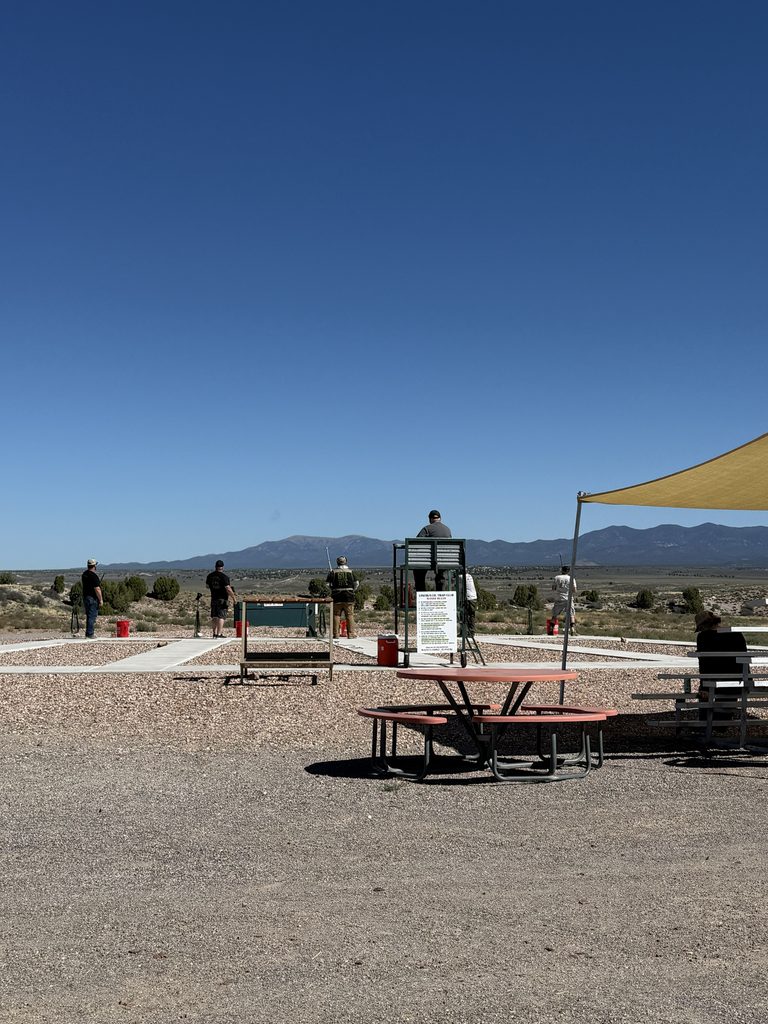
Starting a new hobby with trap shooting has been a solid shift in my routine. It gives me a reason to get out early, stay moving, and put some focus into something that’s both challenging and enjoyable. There’s a rhythm to it — the stance, the breath, the shot — and learning that rhythm has been a good reminder that picking up new skills doesn’t have to be complicated. You just show up, put in the time, and let yourself get better.
One of the best parts has been meeting new people. Everyone out there is doing the same thing I am: trying to improve, trying to stay active, trying to enjoy the day. It’s easy to fall into conversation, pick up tips, and feel like you’re part of something without it being a big production. That’s been good for me. Staying busy matters, but staying connected matters too.
Trap shooting fits where I’m at right now — moving toward retirement, building new routines, and keeping myself engaged in things that push me a little. It’s simple, steady, and gives me something to look forward to. Trying something new at this stage feels right, and this hobby has already earned its place in my week.
One week into retirement and I’m already learning something: the days feel different when they finally belong to you. No schedule, no radio calls, no crews to manage. Just open time and the question of what to do with it. For me, the answer this week was simple — get out of town and put some miles under the tires.
The Tonopah Poker Run landed at the perfect time. A chance to ride, explore, and shake off that strange feeling of not having somewhere to be.
Thursday — Rolling Into Tonopah
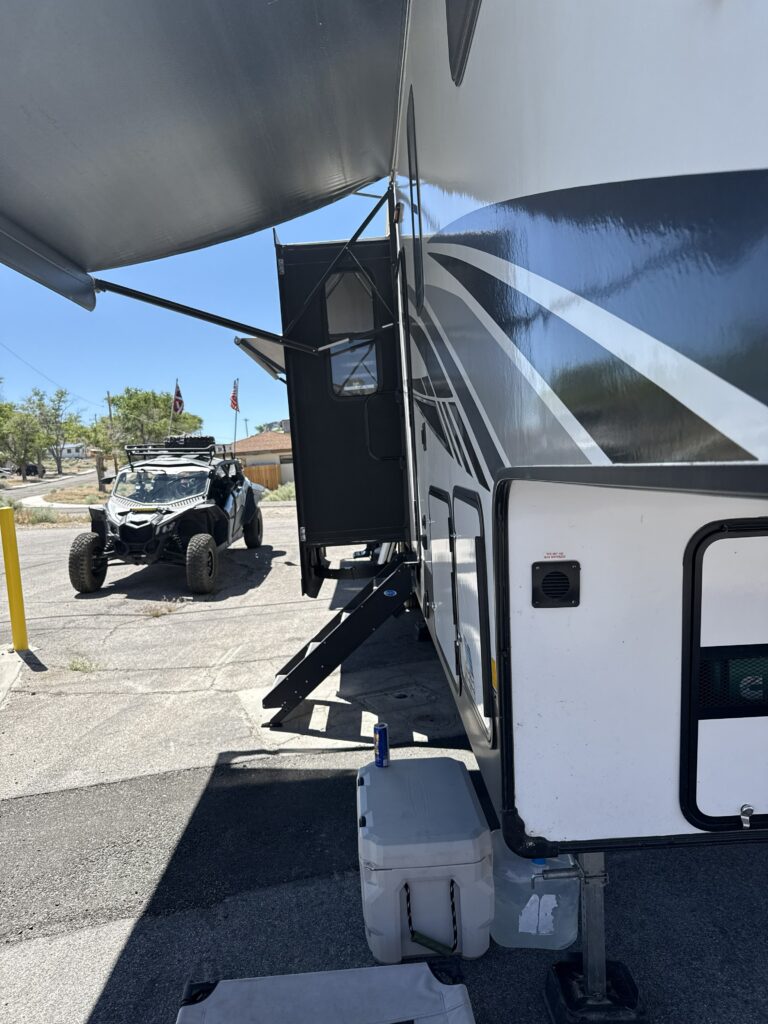
Made the drive up on Thursday. Smooth travel, easy miles. Pulled into the Tonopah Station RV area and found a setup that was… different. Tight spots, no shade, all asphalt, and neighbors close enough to hear their coffee brewing. Not ideal, but it worked for a couple nights.
Unloaded, set up, and settled in. First retirement trip officially underway.
Friday — Scouting, Exploring, Breathing Again
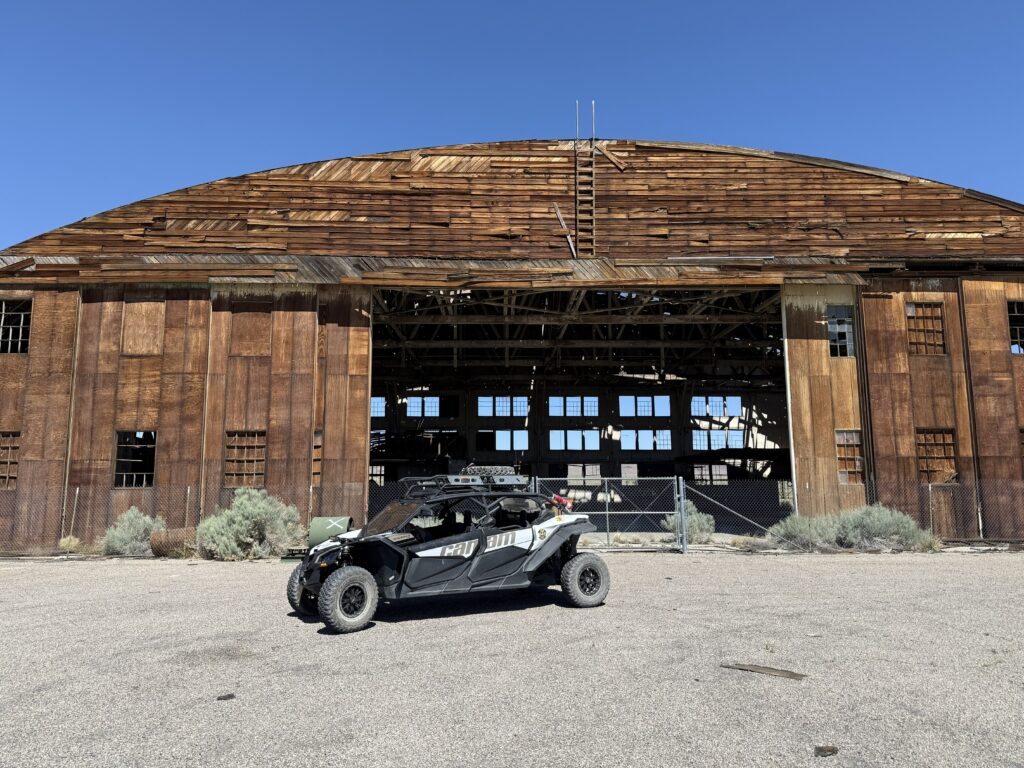
Woke up without an alarm — still getting used to that — and took the Can‑Am out to scout the poker run starting point. Wanted to make sure we could get there without crossing any restricted areas.
After that, we just picked a road and went. Antelope, wild horses, wide‑open Nevada. The kind of quiet you don’t realize you’ve missed until you’re in it again.
Signed up in town, grabbed dinner and ice cream, and enjoyed the simple freedom of driving the Can‑Am around like it belonged there.
Saturday — The Ride
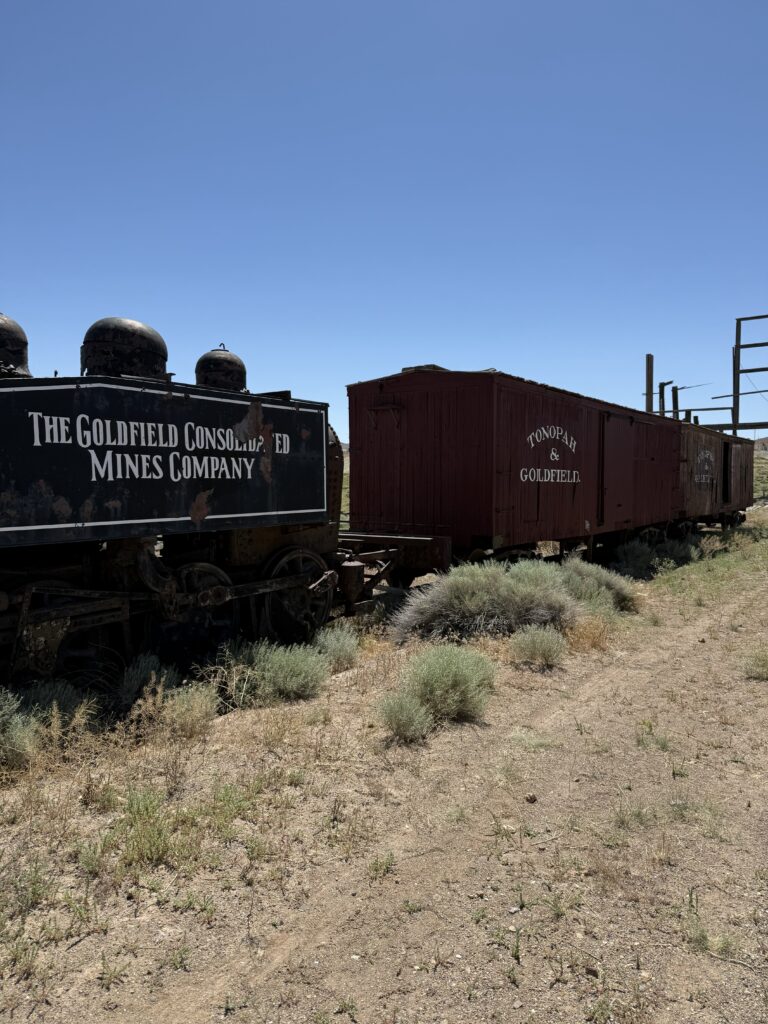
Hit the starting point early and took off. Tonopah to Goldfield and back. Dry lake beds, hills, washes, old mine shafts — Nevada’s greatest hits.
Goldfield had its own mini poker run through historic buildings, so we knocked that out too before heading back into the dust.
Didn’t pull a winning hand, but the ride itself was the win.
Saturday Night — Afterparty
The afterparty was classic small‑town Nevada: dusty riders, tired smiles, good music, and everyone swapping stories like they’d known each other for years. The kind of night that reminds you why these events matter.
Sunday — Heading Home
Packed up Sunday morning and rolled out. Easy drive home. The kind of tired that feels earned.
Looking Back on Week One
If this is what retirement looks like — miles, dust, open roads, and time to explore — I’ll take it. Still figuring out the rhythm, still adjusting to the quiet, but weekends like this make the next chapter feel wide open.
This job took me across every mile of Nevada — the deserts, the mountains, the small towns, the long roads, and the places most people never get to see. I met good people, carried real responsibility, and learned lessons that stay with you long after the uniform comes off.
Funny how you don’t realize a chapter is shaping you until you’re standing at the exit.
Grateful for the work. Grateful for the people. Grateful for the miles.
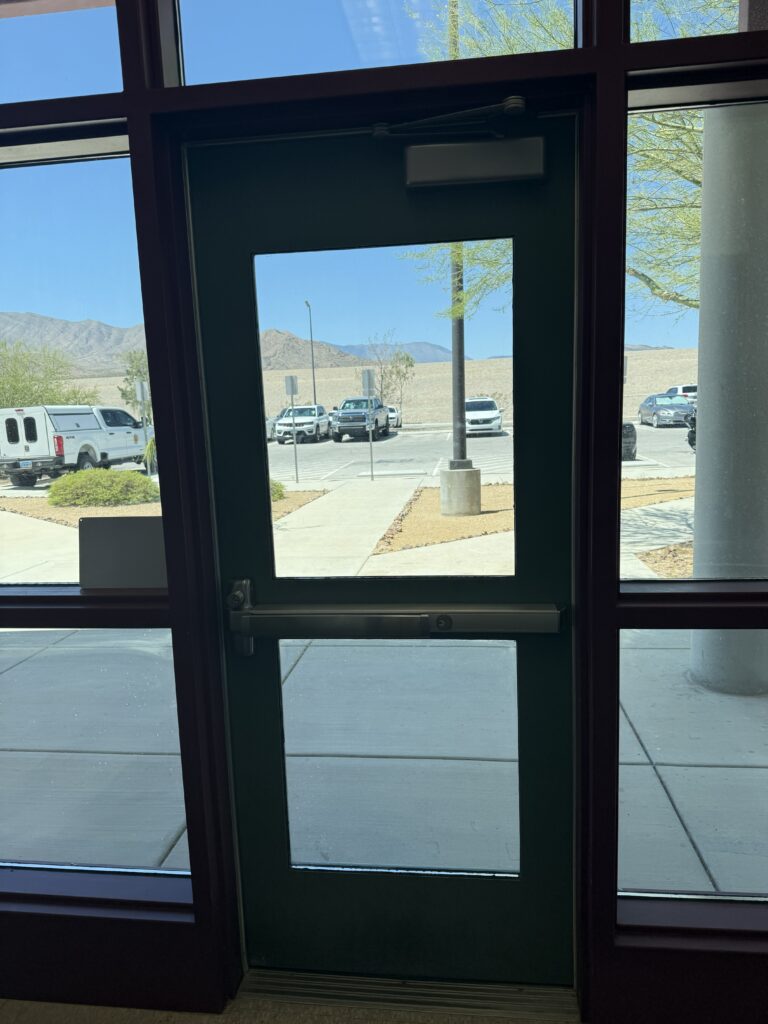
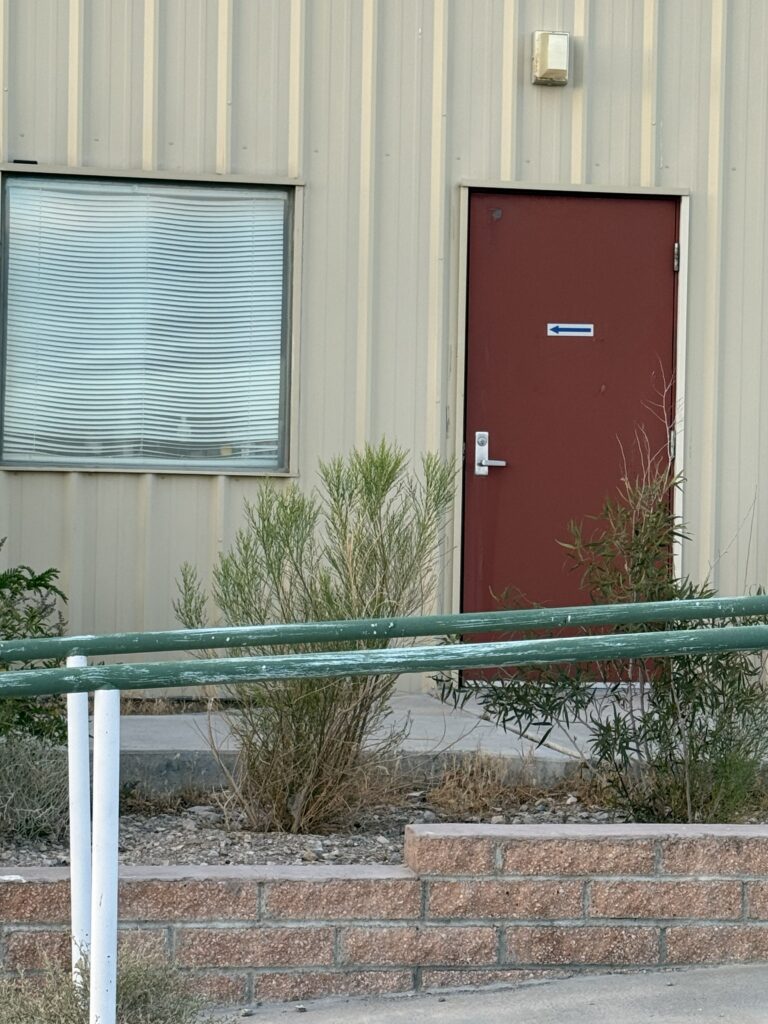
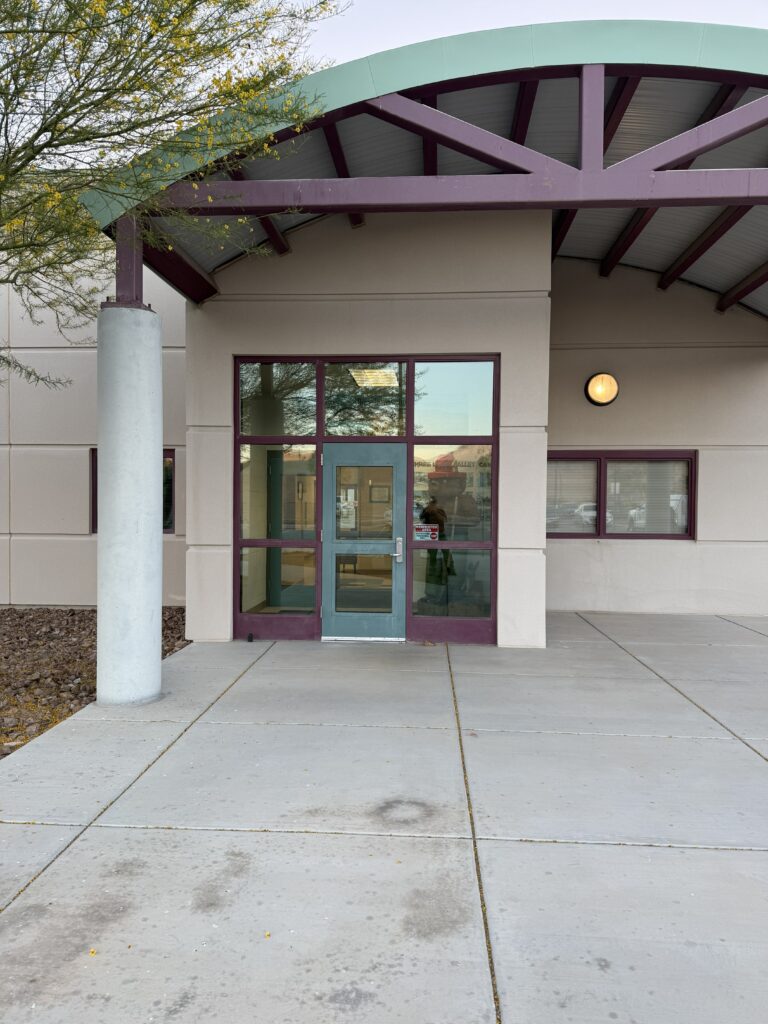
The first door I opened to start my career. The last door I closed to end it.
Everything between those two moments was earned — not given.
Over the years, I opened a lot of doors with this division. New assignments. New responsibilities. New challenges that demanded leadership, steadiness, and the ability to make decisions when it mattered.
I stepped into situations that shaped me. I grew through the work, through the people, and through the expectations that came with the job. I met individuals from every corner of the State of Nevada — people who challenged me, supported me, and trusted me to lead.
Today isn’t about walking away. It’s about closing one chapter with respect and stepping into the next with purpose.
Leadership doesn’t end when the door closes. It carries forward in the people you trained, the standards you set, and the work you leave behind.
I’m grateful for the opportunities, the experiences, and the doors this career opened for me. And I’m ready for the next ones I’ll open on my own terms.
There’s something different about the last week of work. It doesn’t hit like a single moment — it rolls in slow, steady, and undeniable. Every day carries a weight you didn’t notice before.
You move through the routine like you always have, but there’s a quiet awareness riding with you. This is the last Monday. The last stretch. The last time you’ll start a week in a place you’ve given years of your life to.
And in the middle of all that familiarity, the questions start showing up.
Did I leave at the right time.Did I prepare my staff for this.Did I teach them enough.Are they ready to step in without me.Why am I still worried about this when I’m the one walking out the door.
They’re not doubts. They’re the natural echoes of leadership — the kind that come from years of carrying responsibility without hesitation. You don’t ask these questions because you regret leaving. You ask them because you cared. Because you showed up. Because you held the line even when it cost you.
And even now, in your final week, part of you still wants to make sure the people you’ve guided, trained, and protected are going to be okay.
That’s not weakness. That’s legacy.
As the days move, you start noticing things you never paid attention to before.
The way the building sounds when it wakes up. The rhythm of the crew settling into their day. The small conversations that used to blend into the background.
You catch yourself watching it all a little longer — not because you’re holding on, but because you finally have the space to see it.
This final week isn’t emotional in the loud way people imagine. It’s quieter than that. More honest.
There’s no dramatic goodbye playing in your head. No big speech. Just a steady awareness that you’re closing out a chapter that shaped you, tested you, and demanded more from you than most people will ever understand.
But somewhere in the middle of the week, something shifts.
You stop counting what’s ending. You start noticing what’s beginning.
The space opening up. The weight lifting. The quiet settling in without feeling wrong.
You realize you’re not walking away from purpose. You’re walking toward a life that finally has room for you — your time, your pace, your terms.
By the time Friday comes, you won’t be the same person who walked in on Monday. And that’s exactly how it should be.
There’s a moment after you give your notice — after the paperwork is signed, after the silence settles, after the reality sinks in — where something inside you finally loosens.
It doesn’t happen all at once. It doesn’t happen with a big emotional wave. It happens quietly, almost unnoticed, like a knot that’s been tight for years finally easing its grip.
You start to feel it in small ways.
In the way your shoulders sit a little lower. In the way your breath feels deeper. In the way your mind stops running ahead to the next crisis, the next deadline, the next thing only you knew how to handle.
For the first time in a long time, you’re not bracing.
You’re not preparing for the next call. You’re not carrying the weight of everyone else’s expectations. You’re not holding the line because no one else will.
You’re just… here.
And that’s when the letting go begins.
Not of the people — you cared about them. Not of the work — you gave it everything you had. Not of the years — they shaped you.
You’re letting go of the responsibility you carried quietly. The pressure you absorbed without complaint. The leadership you lived every day, even when no one saw it.
You’re letting go of the version of yourself who always had to be steady. The one who held things together. The one who didn’t have the luxury of falling apart or stepping back.
You’re letting go of the weight that became so normal you forgot it was heavy.
And in that release, something unexpected shows up.
Space.
Space to breathe. Space to think. Space to imagine a life that isn’t built around being the one everyone depends on.
Space to be a person again — not a role, not a title, not a position.
Just you.
And the more you let go, the more you realize something simple and true:
You didn’t lose anything by choosing this. You gained yourself.
The countdown is moving. The days are shifting. The chapter is closing.
And for the first time in a long time, you’re not holding on.
When you’ve been in leadership for most of your 23 years of service, people assume you’ll always be there. They build their routines around your steadiness. They rely on the way you handle things before they become problems. They don’t think about what life looks like without you — because they’ve never had to.
So when you decide to retire, the only people who know are your wife and the retirement personnel. No coworkers. No staff. No one in the building. Just the people who needed to process the paperwork.
And that silence becomes its own kind of reaction.
Because once your notice is official, the shift doesn’t happen in conversations — it happens in the work. In the responsibilities you’ve carried for years. In the things you’ve always handled without being asked. In the tasks people assumed “just got done.”
That’s when they find out.
Not because you told them. But because the things you were in charge of suddenly need someone else.
And that’s when the real reactions begin.
Some people pause, realizing for the first time how much weight you carried quietly. They see the gaps. They feel the shift. They understand, maybe too late, the depth of your leadership.
Others are surprised — not because you’re leaving, but because they never imagined the place without you. They thought you’d always be the steady one, the reliable one, the one who kept things moving.
And then there are the quiet reactions — the ones you’ll never hear directly. The conversations in hallways. The long breaths. The looks exchanged when someone says, “Who handled this before?” and the answer is your name.
But the reaction that matters most is your own.
Because once the notice is in, once the countdown begins, you start seeing things clearly. You see the weight you carried. The responsibilities you absorbed. The things you protected people from. The leadership you gave without needing recognition.
And you see how much of yourself you’re finally getting back.
There’s no anger. No regret. Just clarity.
Clarity about what mattered. Clarity about what didn’t. Clarity about the people who saw you — and the ones who only saw the work you did.
And in that clarity, something settles inside you.
You didn’t leave because you were tired. You didn’t leave because you were frustrated. You didn’t leave because you were done leading.
You left because you were ready.
And the reactions — even the ones that come in silence — only confirm what you already knew:
There’s a different kind of weight to giving your notice on the last day of an assignment you actually loved. Not the kind of assignment you push through — the kind that kept you around. The kind that reminded you why you stayed as long as you did. The kind that made the hard parts feel worth it.
And maybe that’s why the moment hits the way it does.
You wake up knowing today is the day. The final morning of your two‑week assignment at the state office. The day before you head back to your home station. The day you finally speak the truth you’ve been carrying.
There’s a calm to it — but not the easy kind. It’s the calm that comes when you know you’re about to close a chapter that mattered.
You move through the morning with a strange clarity. You drive in. You walk the hallway. You settle into the rhythm of a place that brought out the best in you. A place that made you feel useful, capable, steady — the version of you that people relied on.
And that’s what makes this moment so real.
Because when you finally step into the conversation — when you say the words — it doesn’t feel like breaking away from something bad. It feels like letting go of something good because you’re finally ready for what’s next.
You say it clearly. You say it without apology. You say it with the kind of honesty that only comes when you’ve earned your exit.
And the second the words leave your mouth, something shifts. Not a rush. Not a high. Just a deep, grounded exhale — the kind that comes from choosing yourself even when the moment is bittersweet.
People react. Some are surprised. Some aren’t. Some understand. Some don’t.
But none of that changes the truth:
You did it. You said it out loud. You ended one of the best parts of your job knowing it was time.
And tomorrow, when you head back to your home station, you won’t be returning as the same person who left. You’ll be returning with the countdown already in motion — and the next chapter already calling your name.
There’s a moment in this transition where you start to feel lighter — not because life suddenly got easier, but because you finally notice how heavy things had been.
It hits you in small flashes. A task that used to drain you suddenly feels optional. A conversation that once tightened your chest barely registers. A problem that would’ve kept you up at night now rolls off your shoulders.
And you catch yourself thinking, “Was I really carrying all of that?”
The truth is, you were. For years.
You carried the expectations. The deadlines. The unspoken responsibilities. The weight of being the one who always figured it out.
You carried the emotional load too — the frustrations, the disappointments, the moments you swallowed because there wasn’t time to deal with them. You kept moving because that’s what the job demanded. That’s what people expected. That’s what you expected from yourself.
But as the end gets closer, something shifts. You start to feel the weight you’ve been hauling — not because it got heavier, but because you finally stopped gripping it so tightly.
You start noticing the difference between what’s yours to carry and what never should’ve been. You start recognizing the parts of the job that shaped you and the parts that slowly chipped away at you. You start realizing how much of your strength was spent holding things together that were never meant to be held alone.
And that realization hits harder than you expect.
Because once you feel that lightness — even for a moment — you can’t unfeel it. You can’t go back to pretending the weight was normal. You can’t convince yourself that the load was “just part of the job.”
You see it for what it was: A burden you learned to normalize. A weight you carried because you had to. A load you never questioned because questioning it meant slowing down.
But now, in this in‑between space, you finally have room to breathe. Room to notice. Room to let go.
And that’s when you realize something important:
You weren’t weak for feeling tired. You were strong for carrying what you did for as long as you did.
This is the part of the journey nobody talks about — the moment you feel the weight lift before you ever set it down.
And once you feel that lightness, even for a second, you know you’re getting closer to the life waiting on the other side.