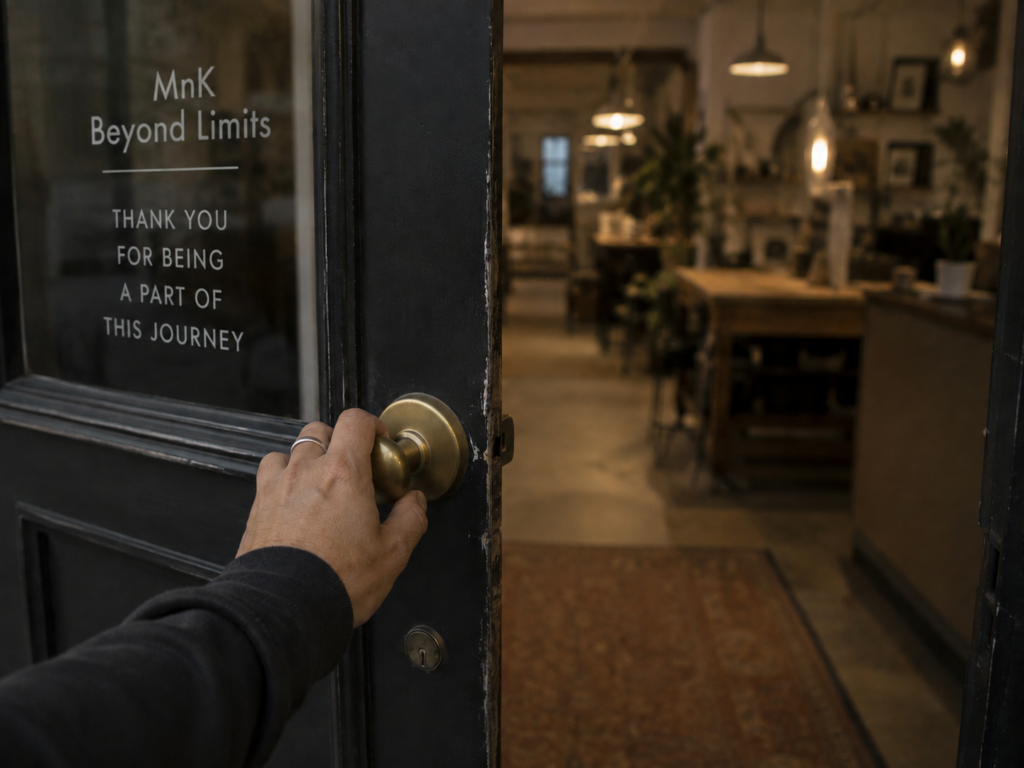
• Post 5: The Void You Don’t Expect

    There’s a strange kind of emptiness that shows up long before your last day of work. Not the kind people warn you about after retirement — the kind that slips in quietly while you’re still showing up every morning, still doing the job, still carrying the weight.

    It hits in the in‑between moments. Driving in. Walking through the doors. Sitting at your desk before the day starts.

    It’s the moment you realize you’re still in the routine, but something inside you has already started to shift. You’re present, but not rooted. You’re committed, but not connected. You’re doing the work, but it doesn’t feel like it belongs to you the same way anymore.

    Nobody talks about that part.

    You think the void comes after the badge is turned in. After the routine disappears. After the structure falls away. But the truth is, the void shows up early — right when your mind starts imagining the next chapter while your body is still living in the current one.

    It’s not sadness. It’s not fear. It’s not regret.

    It’s the space between who you’ve been and who you’re becoming.

    And it feels strange because you’re still in the grind. You’re still answering emails, still solving problems, still moving through the same motions. But the emotional weight behind it is lighter. The attachment is softer. The urgency isn’t gripping you the same way.

    It feels like you’re holding something you’ve already decided to put down — just not yet.

    That’s the void.

    It’s quiet. It’s uncomfortable. It’s honest.

    And if you pay attention, you start to realize it’s not a warning. It’s a sign.

    A sign that you’re shifting. A sign that you’re getting closer. A sign that the next chapter is already pulling you forward.

    You’re not lost. You’re transitioning.

    And that’s exactly where you’re supposed to be.

  • Post 4:Unlearning the Grind-Training for the Life I Earned

    I didn’t realize how much retraining I’d have to do for retirement until I actually tried to picture it. Not the money. Not the date. Not the “what’s next.” Just the day. The rhythm. The feel of it.

    That’s when it hit me: I wasn’t preparing for a new chapter — I was unwinding a lifetime of conditioning.

    For decades, my body has been tuned to the grind. Wake up at the same time. Move with the same urgency. Carry stress like it’s part of the uniform. Stay busy because slowing down feels wrong.

    That kind of rhythm doesn’t disappear. It becomes muscle memory. And muscle memory doesn’t retire when you do.

    I noticed it in the smallest moments. Standing in the kitchen one morning — not helping, not relaxing, just hovering in someone else’s space because I didn’t know what to do with myself. My mind was still searching for a task. My body was still bracing for the next thing.

    And then there’s the part nobody warns you about: learning how to be home more without feeling like you’re in the way.

    When you’ve spent most of your life out working, your partner builds their own flow. Their own rhythm. Their own space. And suddenly you’re there… more. Present, but unsure of where you fit. Loving them, but not wanting to disrupt what they’ve built in your absence.

    That’s when I realized retirement isn’t just stepping away from work. It’s stepping into a new version of yourself — one that doesn’t run on urgency, pressure, or autopilot.

    So I started training for it.

    Not with big changes. With interruptions.

    A slower morning. A walk with no destination. A ride where I didn’t rush back. A day where I didn’t fill every hour just to feel useful.

    At first, it felt wrong. Then uncomfortable. Then unfamiliar. Then necessary.

    Because your body remembers the grind long after your mind is ready to move on. It remembers the pace. It remembers the tension. It remembers the survival mode you lived in for years.

    Training for the bonus years means teaching your body how to relax without guilt. Teaching your mind how to be present without needing a mission. Teaching yourself how to share space with the person you love in a way that feels natural, not intrusive.

    Some days it clicks. Other days you’re fighting old instincts — physical, emotional, and everything in between.

    But that’s the work. You’re not losing your edge. You’re shifting it.

    You’re learning a new rhythm — one built on intention instead of urgency. Presence instead of pressure. Living instead of bracing.

    And somewhere along the way, you stop running on the grind that built you… and start moving with the life you earned.

  • Post 3: The Money Decisions

    People talk about retirement like it’s a clean break — like you step out of one life and into another without missing a beat. But nobody talks about the part that hits you in the gut first: the money.

    Not the numbers on a spreadsheet. Not the retirement calculators. Not the “you should be fine” advice from people who don’t live your life.

    I’m talking about the quiet, private fear that shows up when you start imagining what it’s really going to feel like to live on less.

    Because the truth is, the money decisions aren’t just financial. They’re emotional. They’re personal. They’re heavy.

    And nobody warns you about that part.

    You spend decades earning a certain amount, paying your bills, keeping your life moving, and then suddenly you’re staring at a future where the income drops — sometimes by a lot. And even if you’ve planned, even if you’ve saved, even if you’ve done everything “right,” there’s still that moment where you think: “How am I supposed to live on less?”

    It’s not greed. It’s not fear of change. It’s survival.

    Because the bills don’t retire when you do. The mortgage doesn’t retire. The car payment doesn’t retire. The insurance, the groceries, the unexpected expenses — none of it retires.

    And that’s where the worry creeps in.

    You start running numbers in your head at random times. You start wondering if you’ll have to cut back more than you want to. You start thinking about the life you’ve built and whether it fits the income you’re stepping into.

    It’s not the math that keeps you up at night. It’s the uncertainty.

    It’s the shift from “I know what’s coming in” to “I hope this is enough.”

    For me, that worry didn’t show up as panic. It showed up as a quiet pressure — a weight on my chest that made me question whether I was ready to trust the next chapter. I’d look at the numbers, look at the bills, look at the life I want to live, and think: “Can I really do this with less?”

    And that’s when I realized something important: The money decisions aren’t about the money. They’re about trust.

    Trusting the work you’ve put in. Trusting the discipline you’ve lived by. Trusting that you can adjust, adapt, and still build a life that feels like yours. Trusting that you don’t need the same income to have the same peace.

    The fear doesn’t mean you’re not ready. It means you’re human.

    And the moment you stop pretending you’re supposed to feel fearless is the moment you start making decisions from clarity instead of panic.

    Retirement isn’t about escaping the bills or pretending the numbers don’t matter. It’s about learning to live differently — not smaller, not less — just differently.

    It’s about realizing that survival isn’t the goal. Living is.

    And once that sinks in, the money decisions stop feeling like threats and start feeling like choices. Choices you get to make with intention, not fear.

    Because the truth is simple: You’re not stepping into a life of less. You’re stepping into a life that finally has room for you.

  • Post 2: Why Retirement Isn’t an Escape — It’s a Rebuild

    People love to talk about retirement like it’s some kind of escape hatch. Escape the job. Escape the stress. Escape the routine. Escape the grind.

    For a long time, I believed that too. I thought retirement would be the moment I finally got away from everything that drained me. But the closer I get, the more I realize how wrong that idea is.

    Retirement isn’t an escape at all. It’s a rebuild.

    And that realization hits you in a way you don’t expect.

    When you’ve spent decades inside a certain rhythm — the early mornings, the responsibilities, the deadlines, the identity that comes with being needed — you start to believe that stepping away from it will magically reset your life. But it doesn’t. If anything, it exposes the parts of yourself you’ve been too busy to look at.

    You start noticing the habits you built just to survive the pace. You notice the dreams you pushed aside because there was never enough time. You notice the parts of yourself that got buried under responsibility. And suddenly, you’re standing in front of a version of your life that’s quieter, slower, and more honest than you expected.

    That’s when the rebuilding begins.

    It starts with questions you haven’t asked in years. Not the surface-level ones — the real ones. The ones that make you sit with yourself a little longer than you’re used to. What do I actually want my days to look like. Who am I without the job title. What parts of me have been waiting for this moment. What parts am I finally ready to let go of.

    These questions don’t show up to scare you. They show up to clear the ground.

    Because rebuilding requires space. It requires honesty. It requires letting go of the pace you kept for so long that you forgot there was another way to live.

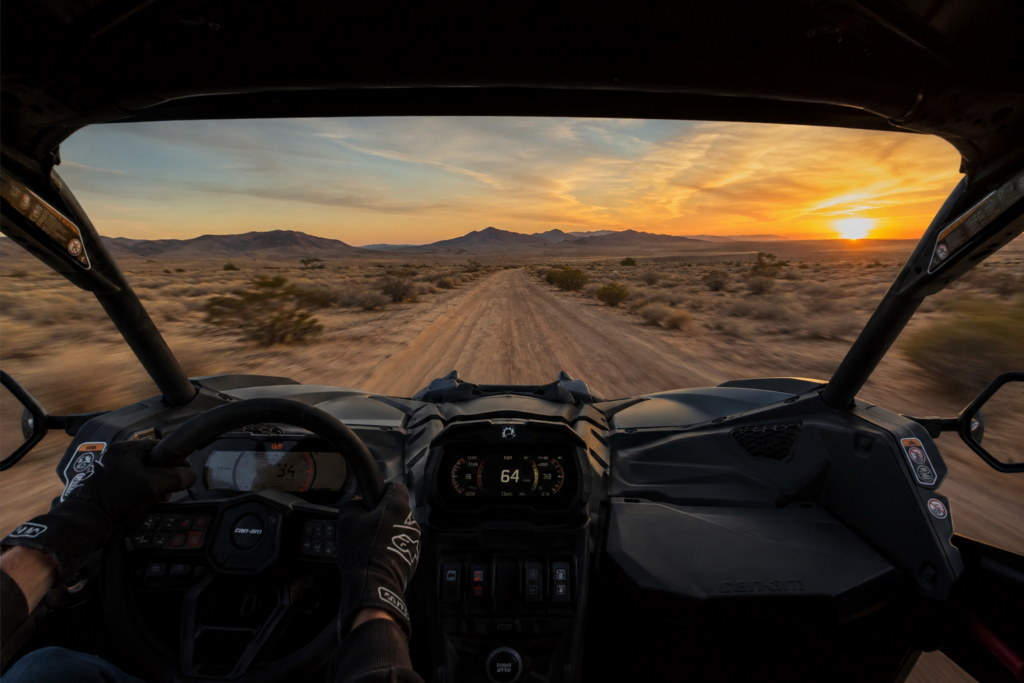
    For me, the shift didn’t happen in a dramatic moment. It happened on a simple ride — a scenic loop I’ve done a hundred times. But that day, something felt different. Somewhere between the curves and the quiet, I realized I wasn’t tired of life. I was tired of the speed I’d been forcing myself to keep. I was tired of living in reaction mode. I was tired of being defined by a role instead of a purpose.

    That’s when it hit me: retirement isn’t about running away from anything. It’s about creating space to rebuild everything.

    And rebuilding isn’t loud. It’s not a grand announcement. It’s a slow, steady shift toward intention. It’s choosing how you spend your time instead of having it assigned to you. It’s rediscovering the parts of yourself that got pushed aside. It’s giving yourself permission to design a life that fits who you’re becoming, not who you had to be.

    This chapter isn’t about ending. It’s about becoming.

    Retirement isn’t a finish line. It’s a doorway — one you walk through with clarity, curiosity, and a sense of purpose you didn’t have before. And once you see it that way, everything changes. You stop thinking about what you’re leaving behind and start focusing on what you’re building.

    Because the truth is simple: You’re not escaping your old life. You’re building your new one.

  • Post 1: The Moment You Realize Your Dream of Retirement Is Becoming a Reality

    There’s a moment — quiet, almost unremarkable — when you realize your dream of retirement is no longer a distant idea. It’s not something you talk about over coffee or joke about on long days. It’s not a fantasy you file under “someday.”

    It becomes real.

    And when that moment hits, it doesn’t feel like a celebration. It feels like a pause — the kind that makes you look at your life a little differently.

    For me, it showed up on an ordinary morning. Nothing special. No big announcement. Just a simple thought that drifted in and refused to leave: “I’m closer to the next chapter than the last one.”

    That’s when the reflection started.

    The First Wave Isn’t What You Expect

    You think you’ll feel excitement. You think you’ll feel relief. You think you’ll feel ready.

    But the first wave is something else entirely.

    It’s a mix of pride and uncertainty. A sense of freedom tangled with a sense of loss. A quiet awareness that the life you’ve known — the structure, the routine, the identity — is shifting.

    You start asking questions you haven’t asked in years:

    • What do I actually want my days to look like
    • Who am I without the job title
    • What parts of me have been waiting for this moment
    • What parts of me am I ready to let go of

    Reflection Has a Way of Slowing You Down

    When the dream starts to feel real, you begin to notice things you used to rush past. The way your body feels at the end of the day. The way your mind drifts toward things you haven’t done yet. The way the outdoors resets you in a way work never could. The way you’ve been living on autopilot without even realizing it.

    For me, it was a simple ride — a scenic loop that cleared my head more than I expected. Somewhere between the curves and the quiet, I realized I wasn’t tired of life… I was tired of the pace I’d been keeping.

    The Dream Sharpens When You Slow Down

    Once you stop long enough to breathe, the dream starts taking shape.

    You picture mornings that belong to you. You picture days that aren’t dictated by someone else’s priorities. You picture adventures you’ve postponed for years. You picture a version of yourself that’s been waiting patiently in the background.

    And that’s when the excitement shows up — not loud, not dramatic, but steady. A quiet voice saying: “You’ve earned this. Now build it.”

    The Reality Comes With Responsibility

    Reflection doesn’t let you hide from the truth. You start thinking about timing, money, health, purpose, and what kind of life you want to create next. Not the life you fell into — the one you choose with intention.

    That’s the real work. That’s the real transition. Not the paperwork. Not the countdown. Not the final day.

    The real transition begins the moment you realize you’re not just retiring from something — you’re retiring into something.

    You’re Not Ending — You’re Becoming

    Retirement isn’t a finish line. It’s a doorway. A chance to rebuild your identity. A chance to rediscover your curiosity. A chance to live with intention instead of obligation. A chance to step into the bonus years with clarity and purpose.

    And the moment you realize your dream is becoming reality? That’s the spark. That’s the shift. That’s the moment you start becoming who you were always meant to be.

    #RetirementJourney #LifeTransitions #NextChapter #MindfulLiving #LivingWithIntention #PersonalGrowth #MnKBeyondLimits

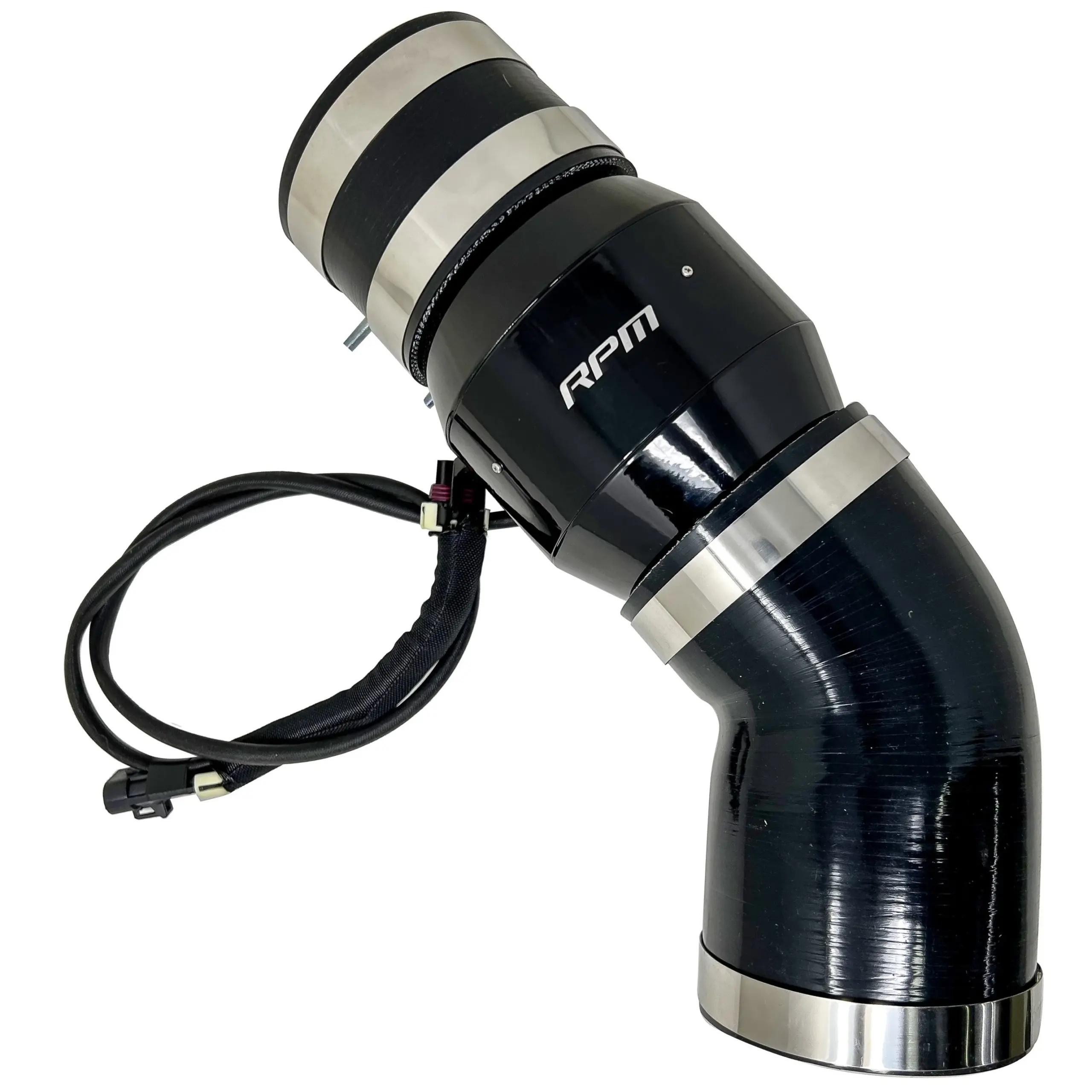
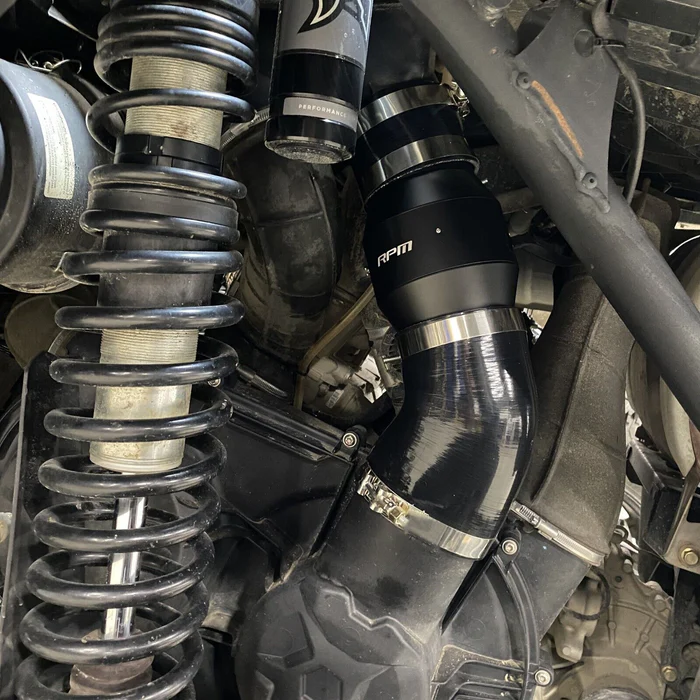
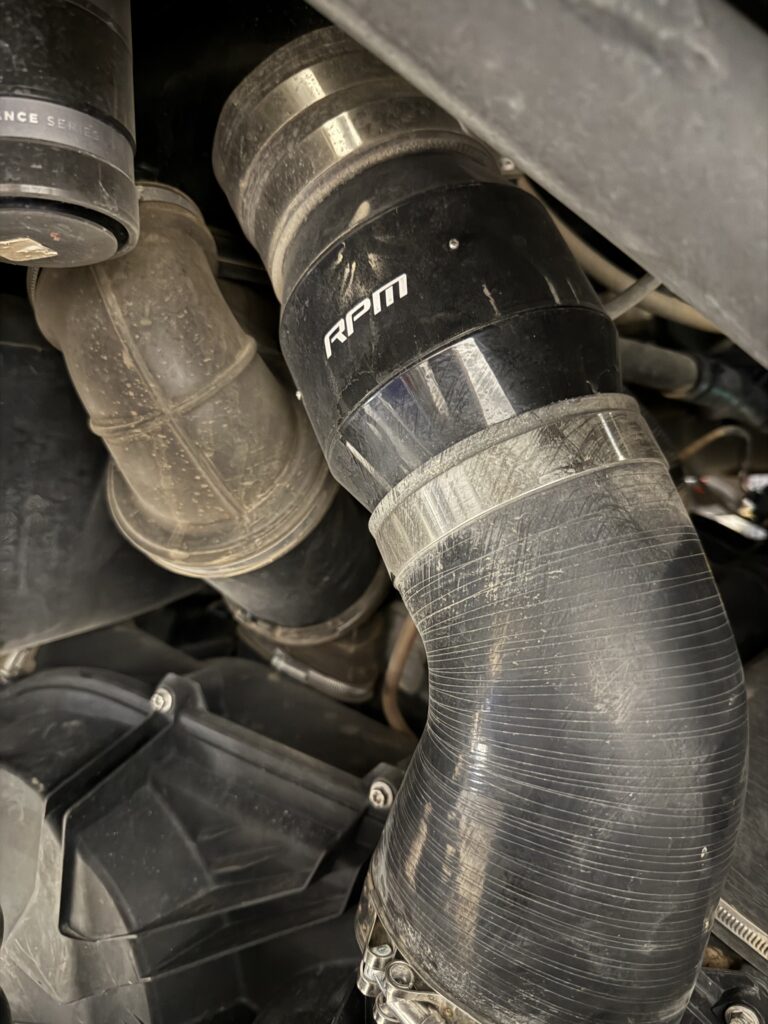
  • RPM Clutch Fan Kit Review — Real‑World Results on the Can‑Am Maverick X3 Posted in: MnK Beyond Limits — Reliability Mods, X3 Upgrades, Trail‑Tested Gear

    Why This Upgrade Matters When you ride hard in desert heat, belt temps become the silent killer. You don’t notice the damage until it’s too late — slipping, glazing, or a full belt failure miles from the truck. Reliability mods aren’t about chasing horsepower; they’re about keeping the machine alive so you can keep pushing. The RPM Clutch Fan Kit is one of those upgrades that looks simple on the surface but makes a real difference where it counts.

    Install Experience I installed the RPM Clutch Fan Kit on my Can‑Am Maverick X3, and the process was smooth from start to finish. RPM’s step‑by‑step walkthrough video removes all the guesswork. No special tools, no surprises, no fighting with parts that don’t fit. Image Placement: Insert photo of the kit laid out before install Insert photo of the X3 clutch housing area The whole install feels like RPM actually thought about the rider doing the work — clean routing, solid hardware, and everything lands where it should.

    Immediate Results on the Trail The first ride after the install told the story. Belt temps dropped immediately. Not “maybe a little cooler,” not “I think it helped.” Actual, noticeable, consistent temperature reduction. The clutch housing breathes better, the belt stays cooler, and the machine feels more stable under load — especially in slow, technical sections where heat usually builds fast.

    Three Months Later — Real‑World Reliability I’ve been running the RPM Clutch Fan Kit for three months now. Here’s the honest report: • Zero belt issues • No slipping • No heat‑related problems • Consistent temps across different terrain Nevada heat, sand washes, slow climbs, fast desert lines — the belt stays in a safer range every time. This is the kind of mod that disappears into the machine and just does its job.

    Why This Mod Stands Out There are a lot of “performance upgrades” out there that sound good but don’t deliver. This one does. • Easy install • Immediate results • Long‑term reliability • Affordable compared to the cost of belts If you’re building your X3 for real riding — not just garage photos — this is one of the easiest and smartest reliability upgrades you can bolt on.

    Not Sponsored — Just Real Experience This review isn’t sponsored. I bought the RPM Clutch Fan Kit myself, installed it on my own machine, and tested it on real rides. Everything here comes from actual use, not a paid partnership or a free product. That’s how MnK does it — real riders, real miles, real results.

    Final Takeaway The RPM Clutch Fan Kit isn’t hype. It’s a practical, proven upgrade that keeps your X3 running cooler and stronger. After months of riding with it, I’d put it on the “must‑do” list for anyone who wants to protect their belt and keep their machine ready for whatever the trail throws at it. #CanAmX3 #RPMPowersports #SendItSaturday

  • Send It Saturday: A Calm Day in the Desert

    Some Saturdays are built for speed.
    This one wasn’t. It was the quiet kind — the kind where the desert feels wide open and unbothered, and you’re free to take the long way around.
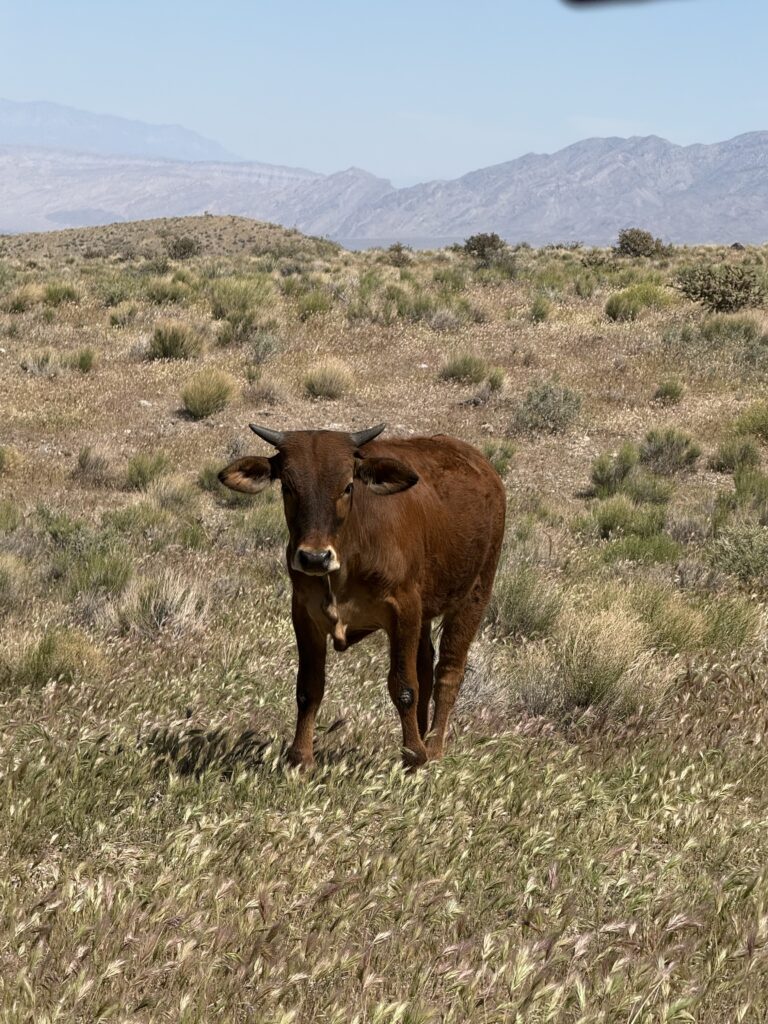
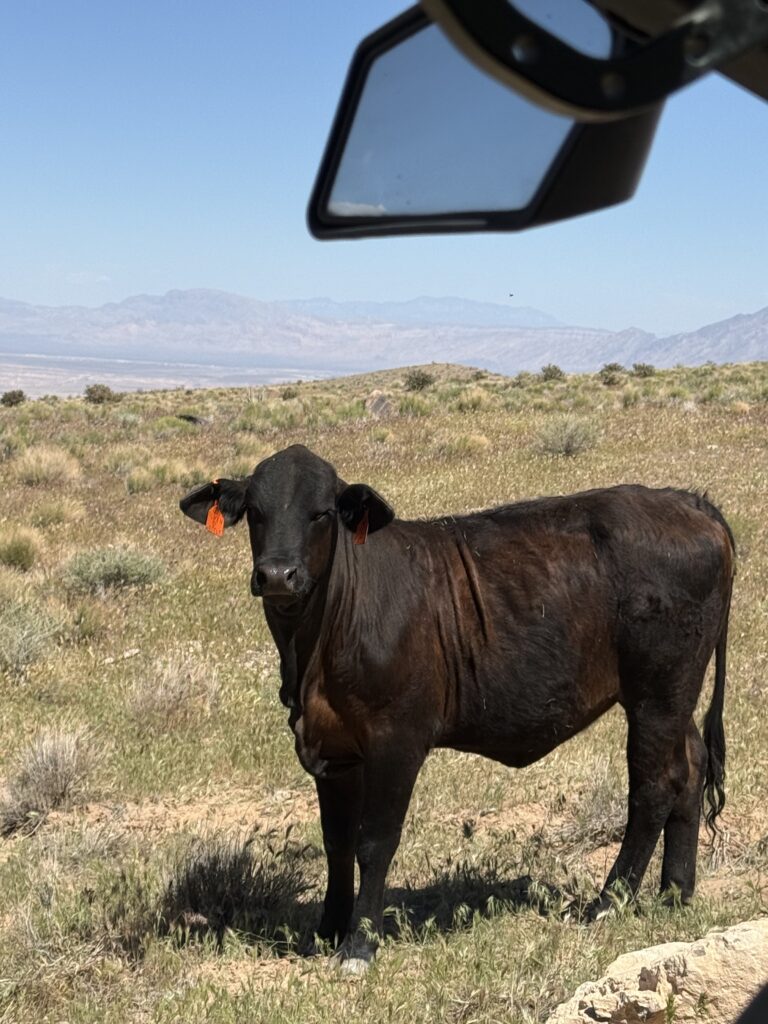
    We rolled out with no crew, no rush, and no real plan. Just a slow cruise through the backcountry, letting the day unfold on its own. The first “locals” we ran into were a few cows who looked like they knew the trails better than we did. We asked them for directions. They stared back. Fair enough.

    Finding the Lines

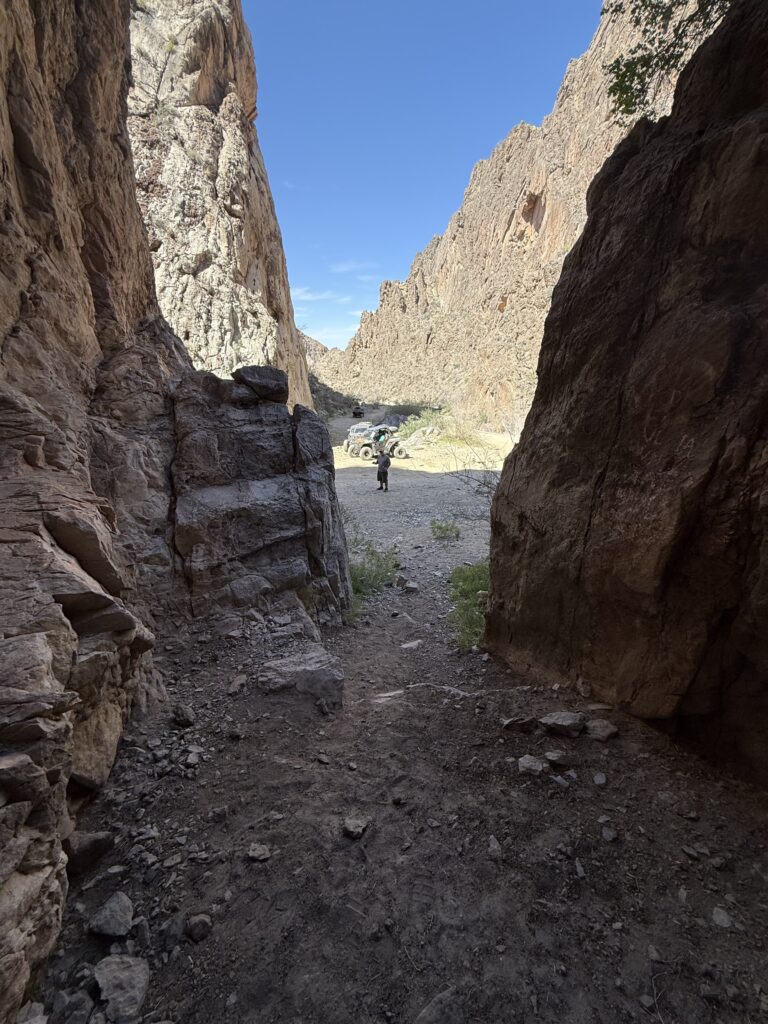
    The terrain shifted fast — from open flats to tight canyon walls that made the rig feel small in the best way. These are the spots you only find when you’re not trying to keep pace with a group. When you’re just exploring because the land invites you deeper.
    Every turn gave us something worth stopping for. This is the kind of scouting you can’t do on a full‑send ride day.

    Desert Color in the Middle of Nowhere

    Desert Color in the Middle of Nowhere
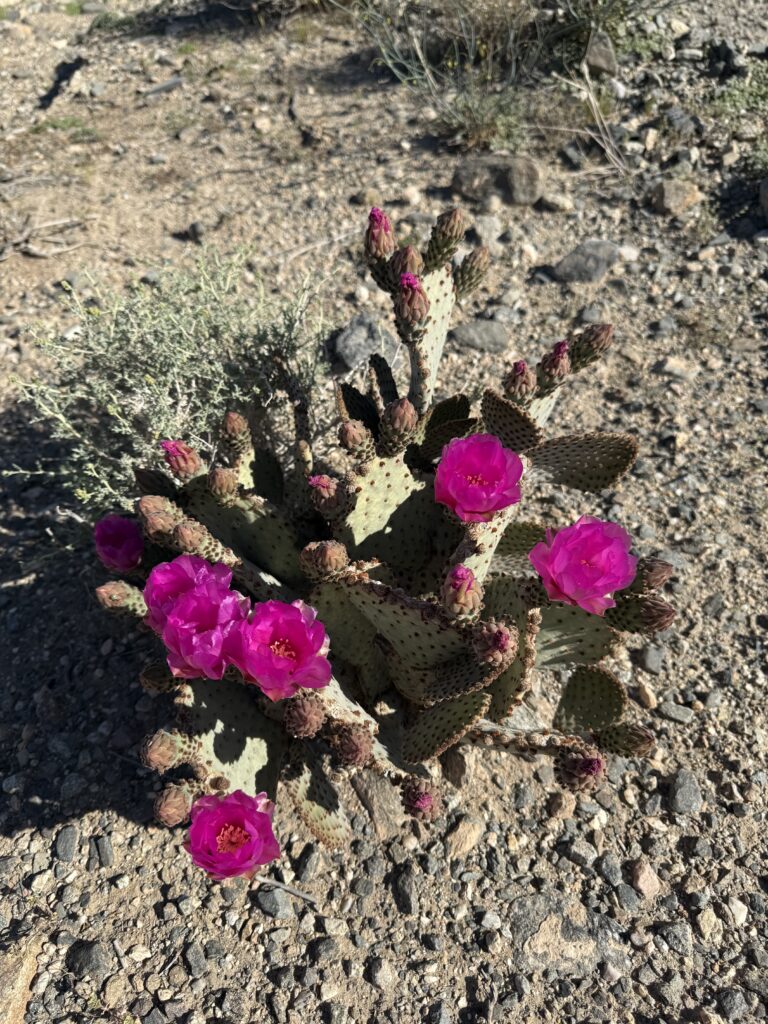
    [Insert Photo: Cactus with bright pink blooms]
    Then the desert threw a surprise at us — a cactus in full bloom, bright pink flowers against rock and dust. It’s wild how something so rugged can still show off like that. These slow Saturdays make you notice things you’d blow past on a big ride.

    Reading the Land

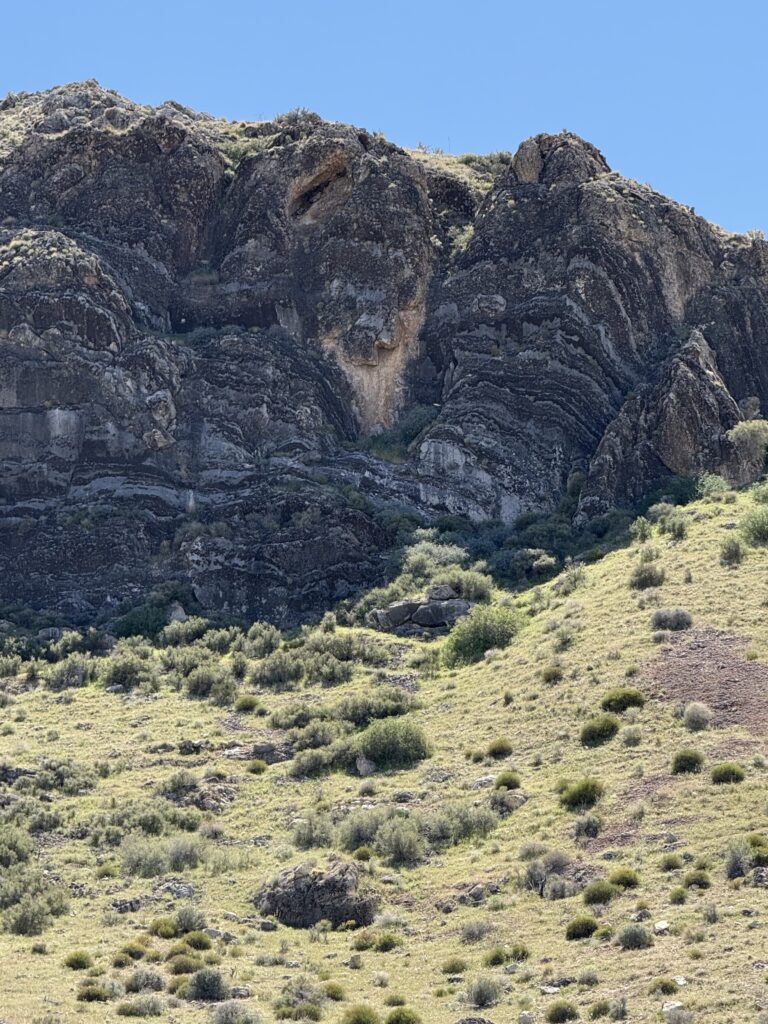
    We spent time studying the terrain — the layers in the rock, the way the washes cut through the hills, the lines that might make sense for a future group ride. When you’re not racing daylight or keeping up with a crew, you get to actually read the land. It tells you where the good routes are hiding.

    The View That Stops You

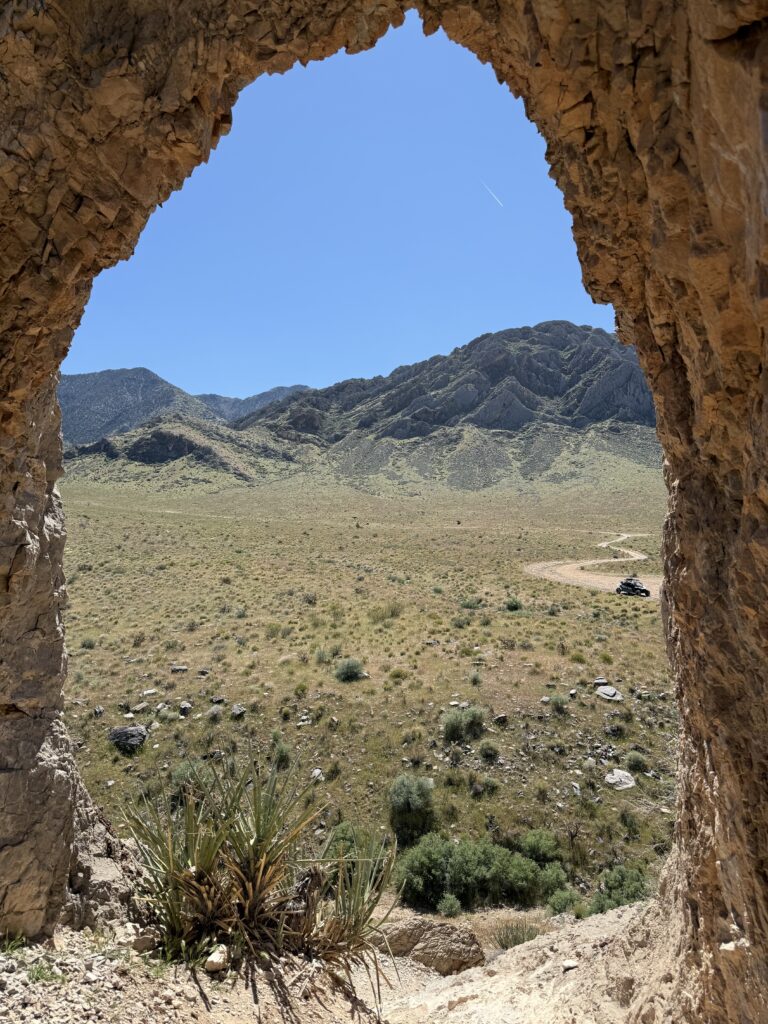
    Toward the end of the day, we found a natural rock opening that framed the valley like a postcard. The whole desert stretched out in front of us — quiet, open, and waiting. A single rig parked out there looked like a dot in something massive.
    Moments like that reset your head.
    They remind you why you ride.

    Mapping Out What’s Next

    Days like this are more than just a chill ride. They’re the groundwork for the next big Send It Saturday — the one where the whole crew shows up ready to roll. We took notes, marked lines, and pieced together a route that’s going to hit all the good stuff: views, canyons, open stretches, and maybe even a few cow‑guided detours.
    No rush.
    No noise.
    Just a calm day in the desert doing what we love.
    Sometimes the best rides are the ones where nothing big happens — just you, the rig, and the land teaching you something new.

  • Send It Saturday: To the Garage

    Send It Saturday: To the Garage
    Some Saturdays you chase miles.
    Today, the miles had to wait — the garage called first.
    The morning kicked off with that familiar mix of frustration and excitement. A Can‑Am that needed attention, a list of small jobs you’ve been putting off, and the quiet promise that taking care of your machine is part of the journey. Around here, sending it doesn’t always start on the trail — sometimes it starts with the work that keeps you moving.

    The Setup
    Tools out.
    Gloves on.
    Music low.
    Garage door cracked just enough for the desert air to drift in.
    There’s something grounding about this part — the smell of oil, the weight of the tools, the rhythm of metal meeting metal. No rush. No pressure. Just you, the machine, and the mindset that defines the MnK way: take care of what carries you.

    The Work Begins
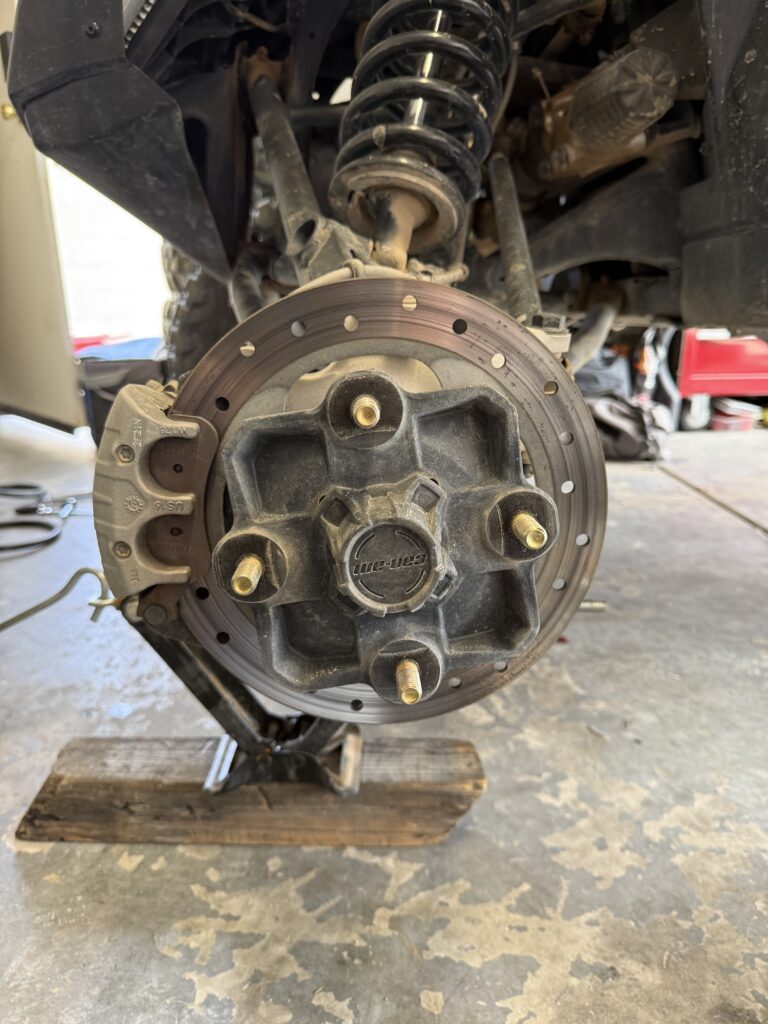
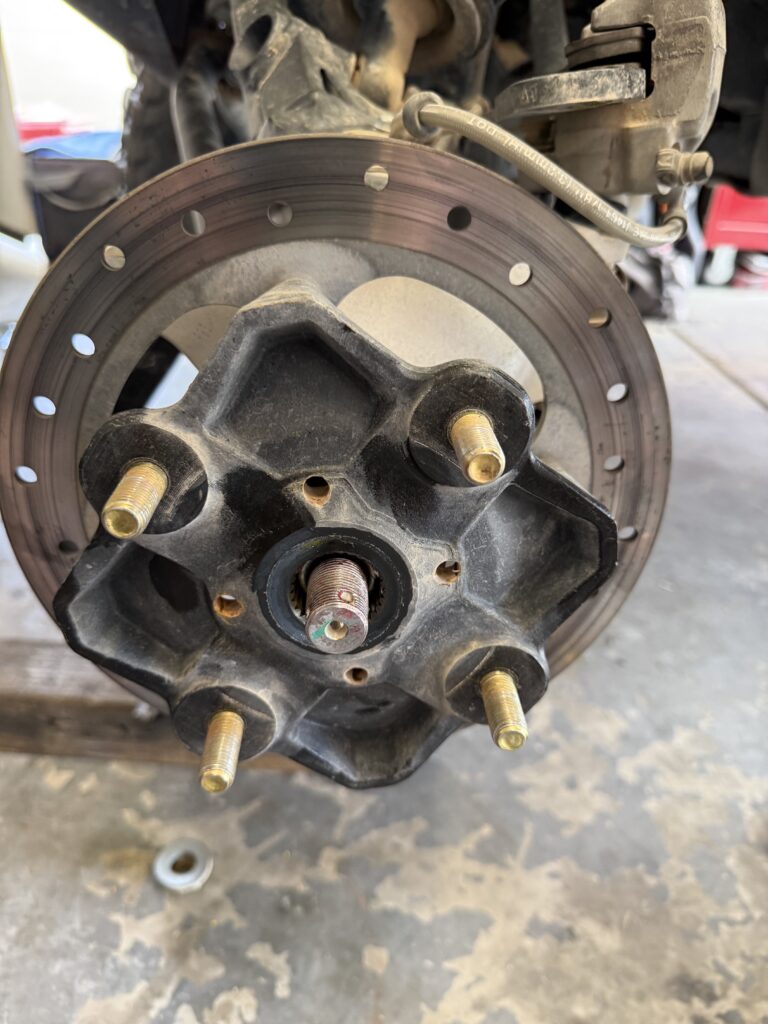
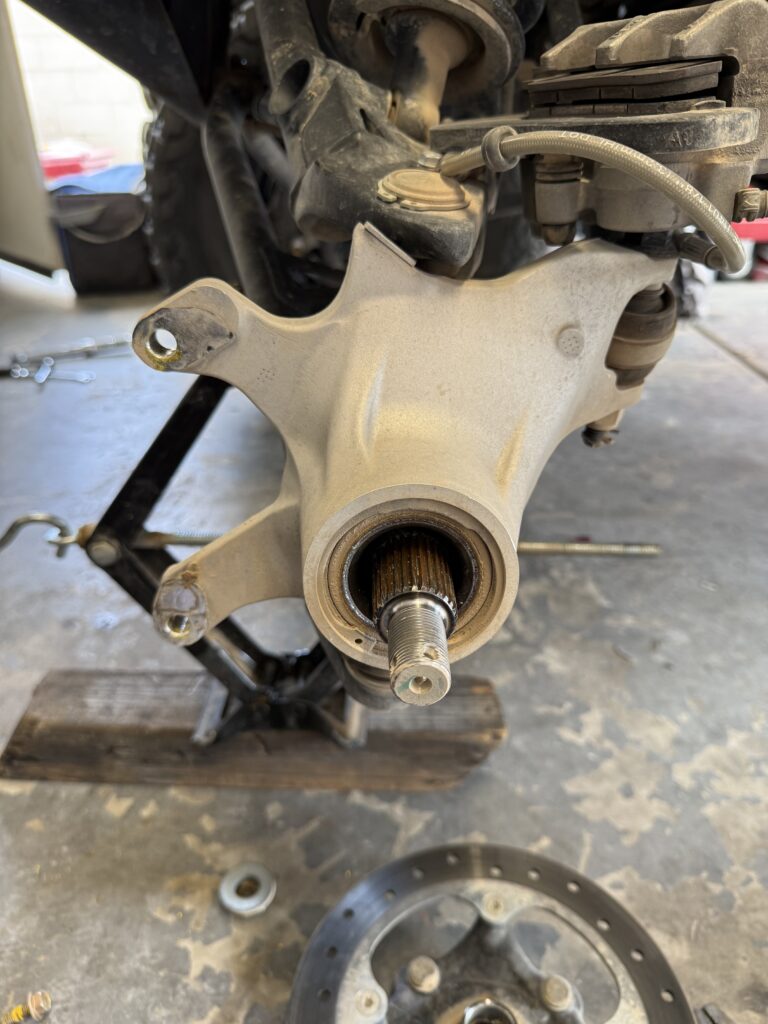
    The plan was simple: grease the wheel bearings.
    But the moment the wheels came off, the job grew legs — because that’s how real garage days go.
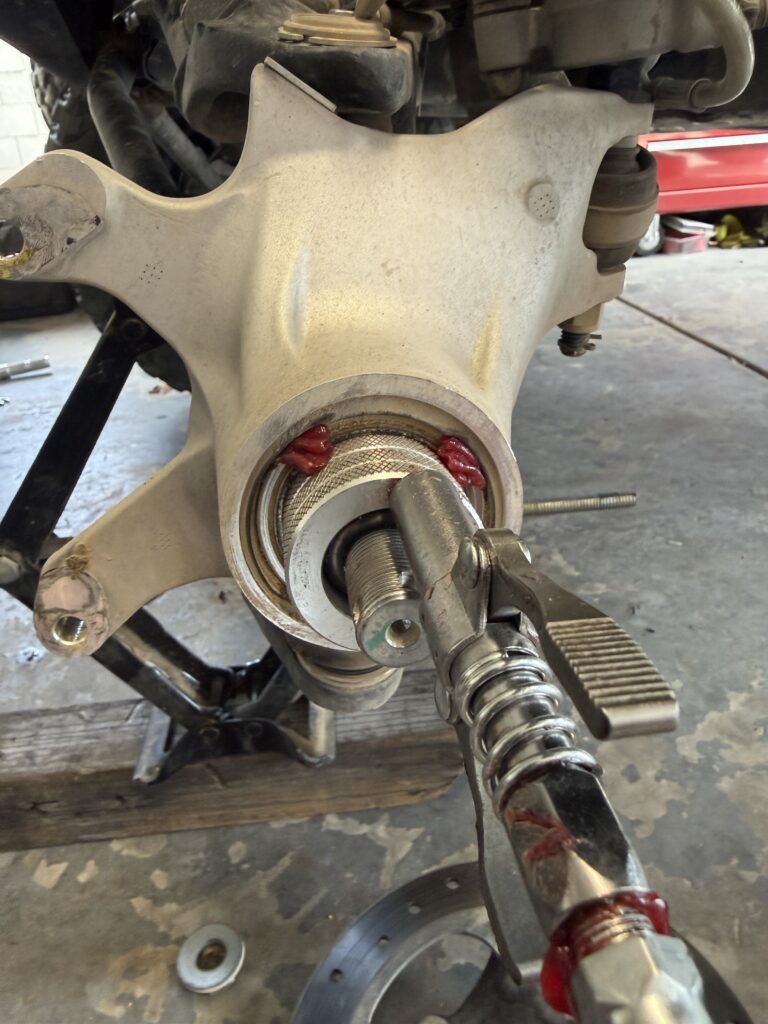
    You’re staring at the hub, ready to pull the nut that holds everything together… and the day throws its first curveball:
    No 30mm socket.
    You dig through every drawer, every tray, every “I’ll deal with this later” pile.
    Nothing.
    So it’s off to the store — the unofficial second stop of every garage mission.
    Back home with the new socket, you line it up, grab the breaker bar, and lean into it.
    Nothing.
    Not even a twitch.
    You try again.
    Shift your stance.
    Put your whole weight into it.
    Still nothing.
    That nut wasn’t moving for anybody.
    Time for the big guns.
    Out comes the air gun — that sharp BRAP‑BRAP‑BRAP bouncing off the garage walls — and finally, the nut gives up. Spins loose like it was never a problem at all.
    Victory number one.

    Since the Wheels Are Off…
    With everything already torn apart, it only made sense to keep going — because if you’re in it, you’re all in.
    A quick brake inspection — pads good, rotors clean, nothing needing replacement today.
    A quiet win.
    Then every grease point you could reach got attention.
    Every pivot.
    Every joint.
    Every hidden spot the manual pretends doesn’t exist.
    It’s the kind of work nobody sees, but everyone feels when the trail gets rough.

    The Reset
    Hands got dirty.
    A few curses were thrown.
    A couple victories were earned.
    And somewhere in the middle of it all, the stress of the week burned off.
    The garage became the reset button — the place where you slow down so you can send it harder later.

    The Win
    By the time the sun started dropping, the Can‑Am looked different — not because it was shiny, but because it was yours again. Tuned by your hands. Ready for whatever comes next.
    Not every Saturday needs a long ride or a big crew.
    Some Saturdays are about taking care of the thing that takes care of you.

    The Reminder
    Send It Saturday isn’t just about speed or distance.
    It’s about momentum — even when that momentum happens in the garage.
    Next weekend, the trail will be waiting.
    Today, the wrenching was the ride.

    Show Up. Wrench Hard. Send It.

  • Send It Saturday: The Ride We All Needed


    We rolled out of Hideaway Tavern at 0800, the morning still quiet and the bikes warming up. No big plan — just breakfast in Kingman and a full day of open road ahead. Black Bear Diner hit the spot, the kind of simple start that reminds you how much you miss slowing down.


    From there we hit the 40 and dropped onto Route 66, heading toward the Rattlesnake into Oatman. The curves were smooth, the desert wide open, and the donkeys were out wandering the road like they owned it. Only in Oatman.


    We parked the bikes and posted up at Julie’s Saloon. No rush. No schedule. Just talking, laughing, meeting new people, reconnecting with old ones. It’s easy to forget how much we need that — real connection, real conversations, real time with people who get it.

    Then we followed 66 down into Golden Shores and stopped at Blondies. Live band going, Harleys lined up, side‑by‑sides rolling in, everyone just out there enjoying their Saturday. Different backgrounds, different stories, same reason for being there: to feel alive for a minute.
    Somewhere between Oatman and Searchlight, the world got quiet. Not the road — the noise in your head. The stress, the news, the responsibilities… they just faded. There’s a peace you only find on the road, and it hits without warning. You look around at your friends, at the miles behind you, at the sun dropping over the desert, and you realize you needed this more than you thought.

    We wrapped the day back in Vegas at The Dawg House for a nightcap — tired, dusty, and settled in a way only a full day of riding can give you.
    That’s what Send It Saturday is about.
    Not just the miles.
    Not just the stops.
    But the reset.
    The people.
    The reminder that you’re allowed to step out of the noise and find a little peace.
    And if someone reading this needs that too — the road’s open. There’s always room for one more.